

AT&T Pebble Beach Pro-Am preview: wind, wedges and a Signature-sized squeeze
Pebble Beach doesn’t need selling. It sells itself with surf noise, tiny targets and the kind of late-afternoon light that makes a seven-iron feel like a career decision

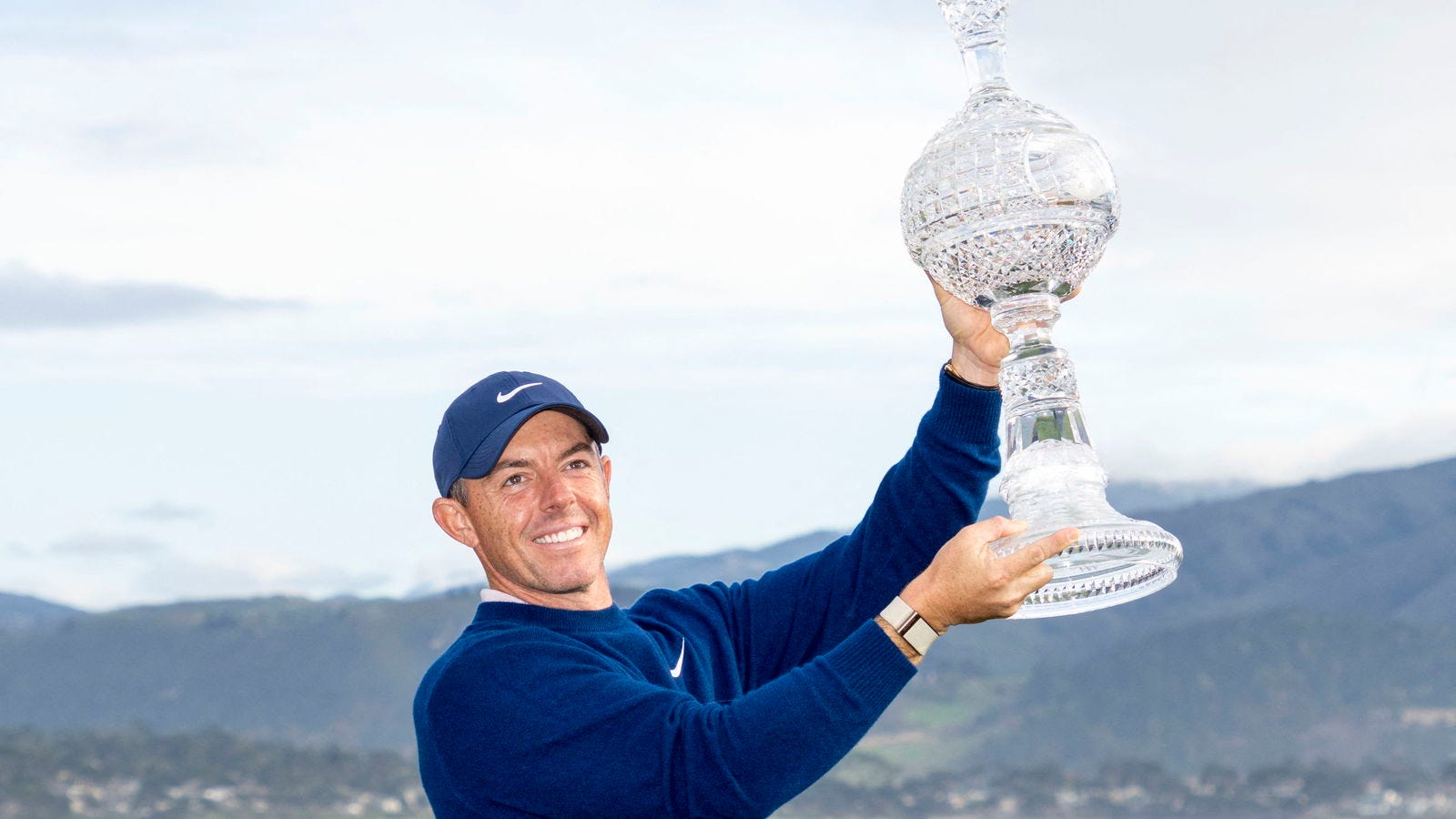
Pebble Beach doesn’t need selling. It sells itself with surf noise, tiny targets and the kind of late-afternoon light that makes a seven-iron feel like a career decision. This is the first Signature Event of the season, with a $20m purse and 700 FedEx Cup points to the winner.
Course notes: Pebble Beach still asks the same brutal questions
Courses: Pebble Beach Golf Links
Pebble Beach is short on the card and brutal everywhere else. It’s a par 72 at 6,989 yards for this week, but the yardage is a trap: you’re hitting to tiny, pitched poa annua greens, often from awkward stances, with the Pacific pushing shots off line when you least expect it.
The scoring swings are rarely about one heroic shot. They’re about avoiding the half-misses that become doubles. Pebble’s defence is its edges — tight run-offs, bunkers that sit below the green surface, and pins that force you to land approaches on postage stamps. If you’re not controlling flight and spin, you’ll spend four days trying to get up-and-down from places that don’t feel like “misses”.

Courses: Spyglass Hill
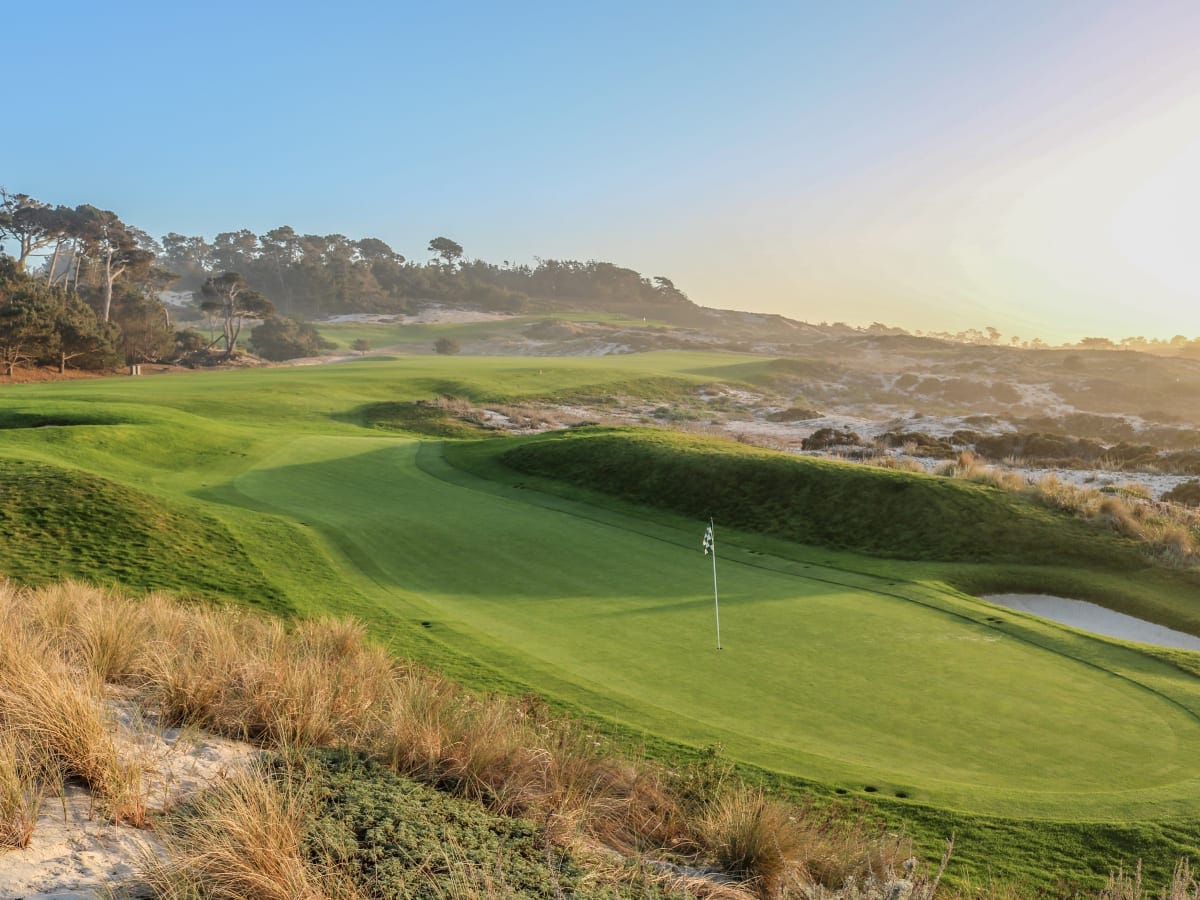
Spyglass is the grittier sibling and, in many ways, the tougher walk. It’s par 72 and typically plays around 6,862 yards from the tips, but it feels longer because it asks for shape and discipline rather than glamour. The opening stretch through the dunes has exposure and texture; then you turn inland and it becomes a proper test through the trees where hitting the right side of fairways actually matters.
The key difference: Spyglass punishes loose driving more directly. Pebble can let you “get away with it” if your short game is elite; Spyglass often doesn’t. You’re forced to play from the correct angles into firmer, more guarded greens and accept that par is sometimes a good score. The players who thrive here tend to be the ones who keep the ball in play, stay patient, and don’t chase flags that aren’t meant to be chased.
Spyglass Hill is the week’s other stage, and it’s a different kind of punishment. It starts in the dunes, then climbs into tree-lined corridors where you actually have to shape shots and hold lines. Between the two, the tournament asks for complete control: flight it down, manage spin, and keep the big numbers out of play.
History: a tournament that rewards shotmakers (and the occasional ambush)
Pebble’s winners list is a mix of heavy hitters and left-field weeks, which is exactly what you’d expect when weather can flip the script and putting surfaces can turn fickle. Rory McIlroy returns as defending champion after winning here last year at -21.
The recent roll-call under the modern set-up includes Wyndham Clark (2024), Justin Rose, Tom Hoge, Daniel Berger and Nick Taylor, proof that this event doesn’t belong exclusively to one “type”. The common thread is usually composure: the patience to take your pars when it turns cold and the nerve to cash chances when the wind drops.
Format: Pro-Am, but tightened for the Signature era
This isn’t the sprawling, three-course celebrity jamboree of old. The Signature version is a limited field (80) with a two-course rotation, and the Pro-Am element is front-loaded: pros are paired with amateurs for the opening two rounds, then it becomes a straight shootout late in the week.
Crucially, there’s no cut in this Signature format, so everyone is guaranteed four rounds and a chance to climb. That changes the betting texture: you’re less exposed to a random Friday exit, but you still need players with enough ceiling to win, not just “make a pay cheque”.
The field: Rory’s return, Scheffler’s shadow, and a proper early-season litmus test
The headline is simple: McIlroy is back at the scene of his latest Pebble success, and he tends to treat this stretch of the calendar like a tone-setter. This week is about tempo and touch — not just how well you hit it, but how cleanly you convert from eight to fifteen feet when the greens get bumpy late in the day.
Scottie Scheffler arrives as the market anchor for a reason. Betfair has him a very short 11/4, and that price is basically a statement about floor: even when he isn’t at his very best, he still lands in the top 10 conversation with alarming regularity.
Just behind the two headliners, the board is packed with players who make sense here. Xander Schauffele (22/1) is the “few mistakes, lots of chances” profile that travels anywhere, especially on courses where bogeys appear quickly if you chase. Tommy Fleetwood (20/1) and Viktor Hovland (25/1) have the ball-striking to keep this tidy; Russell Henley (22/1) has the control game that plays when it turns into a positioning week.
And then there are the heat-check names. Si Woo Kim (18/1) is priced like a genuine contender, volatile, but capable of a lights-out week when the irons and putter cooperate. Chris Gotterup (25/1) is also right at the sharp end of the market, which tells you everything about how quickly perception shifts when a player strings top finishes together.
What usually wins here
Distance is a bonus, not a solution. You still have to hit small greens and accept awkward angles.
Approach play and scrambling travel best. Pebble’s surrounds punish anything loose.
Putting matters, but the right misses matter more. If you’re chipping well, you can survive a merely average week on the greens.
Par and Paddock picks (each-way, 10 places on Betfair)
(As always: prices move. Gamble responsibly.)
1) Top-10 in the odds: Xander Schauffele – 22/1 each-way
Pebble is a second-shot exam with nasty consequences for impatience. Schauffele’s best golf is built on clean card management: fairways, greens, and very few “what was that?” swings. In a no-cut Signature event, that steadiness keeps him in the hunt deep into Sunday, and at 22s, the each-way angle is strong.
2) Mid-price: Collin Morikawa – 40/1 each-way
If this becomes an iron contest — and Pebble often does that — Morikawa is exactly the profile you want buying at a bigger number than the obvious stars. He can create the looks you need on tiny targets, and you’re backing shot quality rather than hope.
3) Mid-price: Corey Conners – 66/1 each-way
This is a “ball-striking plus survival” pick. Conners can put rounds together on hard courses because the tee-to-green base is so solid. If the week turns windy and the winning score stalls, that profile gets more valuable by the hour.
4) Outsider: Ryan Fox – 110/1 each-way
Fox is built for coastal golf: strong flight, comfortable in wind, and not scared of ugly pars. At triple figures you’re buying variance — but Pebble is exactly the place where one hot approach week can drag an outsider right into the places (and beyond).