Cobden gets the green-and-gold: why McManus has moved now, and what it breaks
Harry Cobden is JP McManus’s new retained rider for Britain and Ireland from May.

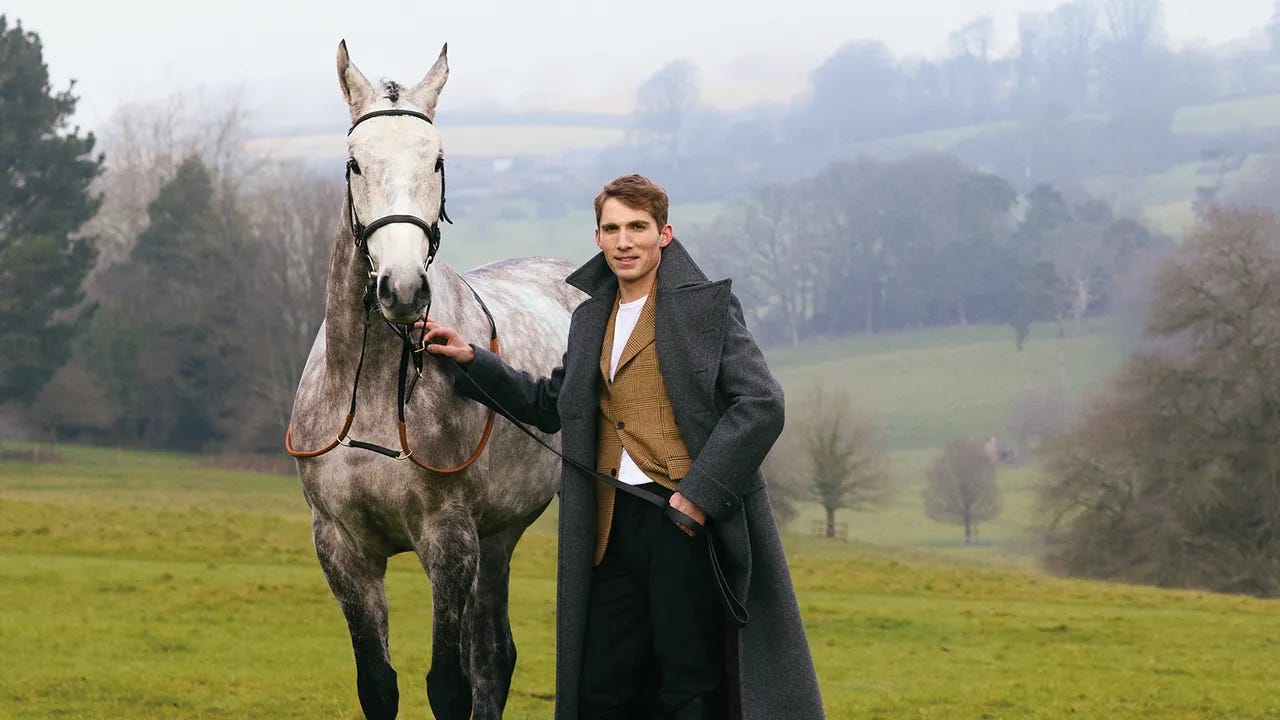
Harry Cobden is JP McManus’s new retained rider for Britain and Ireland from May. It is a promotion into one of the few jobs in jumps racing that changes markets, reshapes stables, and makes other people’s owners’ boxes feel suddenly smaller.
This is not just a rider switch. It is a structural change. McManus is putting first call on his vast UK-and-Ireland team into one pair of hands again. And it lands at the centre of a messy triangle: Cobden’s decade at Paul Nicholls, Cobden’s growing outside book, and Mark Walsh’s long spell as the man in the green-and-gold in Ireland.
The deal in plain terms
McManus confirmed Cobden as retained rider for the coming National Hunt season, operating on both sides of the Irish Sea, starting in May.
McManus’s public line was typically brief: “I’m delighted to secure Harry Cobden’s services for next season.”
Cobden’s was not. He called it “a massive opportunity” and “a privilege to be asked”, pointing out the depth of quality, especially in Ireland, where most of the green-and-gold horses are based.
The timing matters. McManus has effectively restored a single, cross-border “number one” role that evokes the eras of AP McCoy and Barry Geraghty.
Why Cobden makes sense for McManus
There are two types of retained job. One is about loyalty. The other is about conversion rate in Grade 1 and Festival races.
Cobden fits the second. He is proven in the biggest British yards and has already shown he can travel, slot into other operations, and deliver without a warm-up run of “getting to know” a horse. That matters for an owner whose best chances are spread across Britain and Ireland, and across multiple elite trainers.
There is also a quieter piece. Cobden has been taking more outside rides anyway. Nicholls himself described the arrangement as a “gentleman’s agreement” with no formal retainer, and spoke openly about working with Cobden and his agent to release him for rides with better chances elsewhere.
In other words: the dam was already leaking. McManus has just put a proper pipe in.
What it means for Cobden day-to-day
The romantic version is simple: more Grade 1 ammunition, more Festival “first picks”, and the best silks in the sport.
The practical version is harder.
1) Ireland becomes non-optional.
Cobden said outright that Ireland is where most of the horses are, and that depth is part of the appeal. That means routine travel, Irish ride-sharing politics, and quick decisions when entries clash.
2) Your “yes” becomes expensive.
Every outside commitment now carries an opportunity cost. If McManus has two live ones on a Saturday, one at Ascot, one at Leopardstown, Cobden’s calendar stops being his.
3) You inherit expectation, not patience.
This is the point most people miss. With a stable job, a quiet month can be explained by stable form. With McManus, quiet months get read as selection errors.
Cobden has already hinted at that pressure, noting the role’s stature and the quality he will be expected to deliver on.
The awkward bit: Cobden’s existing owner relationships
Cobden has been the face and finishing touch of the Nicholls operation for years. That comes with relationships: owners who want “Harry” as much as they want “Paul”. Those owners have been part of his upward curve, and Cobden acknowledged it, thanking Nicholls and the stable’s owners for a decade of support and saying he hopes he can still ride plenty of winners for them.
But the retained job forces triage.
Nicholls owners will lose first call on Cobden. That changes buying decisions, jockey bookings, and even which horses go to which races.
Other trainers who have leaned on Cobden as a luxury spare, the Emma Lavelles of the world—will feel the squeeze first. (Lavelle has already been vocal about how valuable Cobden is when you get him.)
The most likely outcome is not “Cobden disappears from Ditcheat”. It is more surgical: Cobden rides the McManus/Nicholls horses; picks up a smaller number of non-McManus Nicholls rides when the timing works; and takes far fewer outside bookings that clash with Ireland or with McManus’s deeper Saturday teams.
In short: the retained job doesn’t end relationships. It reprices them.
What it means for Paul Nicholls
Nicholls loses his stable jockey in functional terms, even if Cobden keeps riding plenty there.
And Nicholls knows it. Even before the confirmation, he framed Cobden as someone who has “built his career” around Ditcheat, while also noting how the yard has tried to help him take outside chances and spares, right up to Willie Mullins rides.
Two implications follow.
First, Nicholls becomes more jockey-fluid.
That can work if you have a deep bench of horses and a clear hierarchy of riders. It is harder when you are placing novice chasers and trying to build partnerships.
Second, owner management becomes part of the job.
Owners hate uncertainty. They like to know who will ride their pride and joy in March. Next season, Nicholls will have to sell a plan, not a name.
The Mark Walsh fallout: what he loses, and what he becomes
Walsh has been the McManus man in Ireland since Geraghty’s retirement, and he has cashed that position brutally well: big Festival winners, a Gold Cup, and a huge portion of his top-level record tied to green-and-gold opportunities.
The immediate reality is clear: Walsh keeps the job for the rest of this campaign. After May, Cobden gets first choice.
Walsh has not (as far as public reporting shows) issued a direct comment on losing retained status in the announcement coverage. What we do have is a reminder of what the partnership has meant. After winning the 2025 Gold Cup, Walsh said: “It’s something you dream of… so it’s a dream come true.”
So what happens next?
1) Walsh becomes the best “available” jockey in Ireland again.
That is not a demotion in ability. It is a change in access. He will be in demand, especially for stables that can’t always get Paul Townend, Jack Kennedy or Danny Mullins, when the big owner strings collide.
2) He will still ride McManus horses, just not by default.
Retained riders miss meetings. Horses run at multiple tracks. Injuries happen. Walsh’s familiarity with the owners’ programme and his existing relationships with Irish trainers won’t vanish overnight.
3) The psychological shift is the hardest.
Walsh has been riding with the comfort of first refusal on a lot of elite ammunition. Take that away and every big Saturday becomes a negotiation.
There is also a health footnote worth mentioning. Walsh missed time with a damaged vertebra after a fall, with McManus racing manager Frank Berry giving updates on his recovery and expected return. That is not presented as a reason for the change in any official line, but in an elite job, availability is always part of the evaluation.
The wider racing implications: trainers, entries, and Cheltenham
McManus’s horses are everywhere. That is the point. A retained rider across both jurisdictions creates knock-on effects:
Nicky Henderson’s McManus team becomes more complex (think flagship horses, flagship days). You are now booking around an Irish schedule too.
Willie Mullins and Gavin Cromwell McManus rides become part of Cobden’s life, not a novelty. Cobden himself flagged Irish quality as central, and the premise of the job is first pick of the string across both countries.
Cheltenham decisions get sharper. Not because Cobden will ride everything, he can’t, but because a retained rider forces a hierarchy. Someone will be disappointed more often.
What to watch from here
Where Cobden bases himself. He was non-committal on having an Irish base. That answer matters because it dictates how often he can do the “small” Irish meetings that keep relationships warm.
Which non-McManus owners stick with Nicholls if Cobden becomes intermittent. That will show up in buying patterns and in who gets booked for novice projects early next season.
Walsh’s next anchor connection. One stable deciding “we’ll use Walsh first” can replace a lot of lost green-and-gold volume.
McManus has made the sport simpler for himself. One rider. One first call. Two islands.
For everyone else, it has just got more complicated.