

Constitution Hill’s Southwell mess: racing built a stage, and have they locked the star outside?
The plan was a simple confidence run on the Flat. The reality is a ballot, a rules lesson, and the small-print awkwardness racing can’t keep tripping over, especially in Cheltenham season.

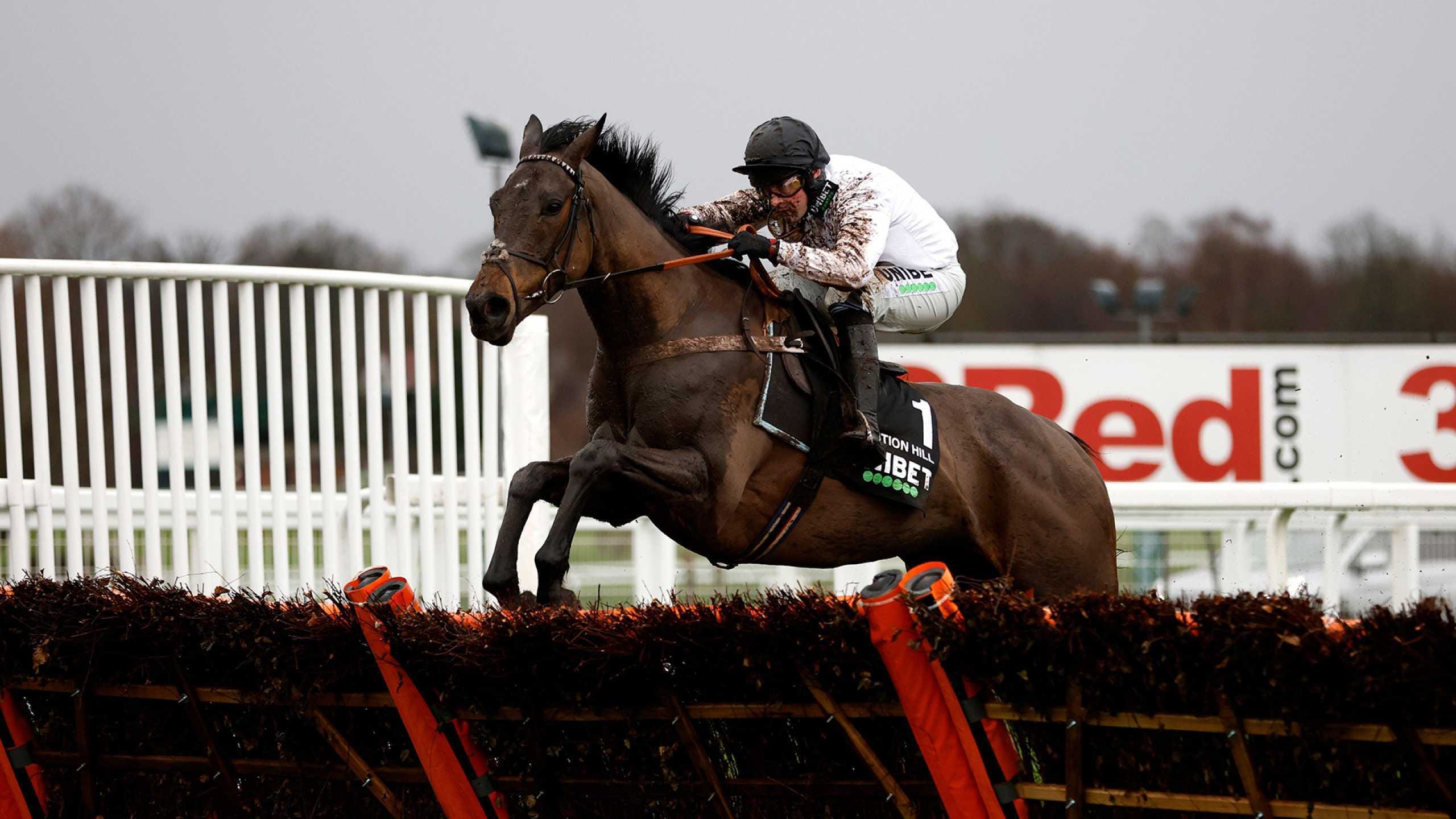
Southwell on Friday night was meant to be straightforward. Constitution Hill turns up. He runs in a £40,000 novice on the Tapeta. He gets a clean, low-risk spin after a bruising run of hurdling mishaps. Everyone leaves talking about “back on track” and the Champion Hurdle picture.
Instead, we’ve got a story that makes British racing look both rigid and slapdash at the same time.
How did we get here?
First, the context matters. Constitution Hill has fallen in three of his last four starts over hurdles. Henderson has been clear: this isn’t about proving he’s a Flat horse. It’s about confidence, rhythm, and getting him to travel and relax without the mental and physical jeopardy of obstacles.
So ARC and sponsor SBK created a proper carrot to dangle: the SBK Road To Cheltenham Novice Stakes over 1m4f at Southwell, worth £40,000. The sort of prize-money in UK racing that makes people look twice, then pick up the phone.
And they did. Entries came in heavy, 32 initially, spanning major jumps yards and serious Flat operators.
That’s when the “debacle” began: Constitution Hill wasn’t automatically guaranteed a run.
The ballot that nobody wanted
Racing Post laid out the uncomfortable truth on Sunday: Constitution Hill was in a big group of horses that have not run in a Flat race, where the order of elimination is decided by random draw if the race is oversubscribed. He ended up needing luck to make the line-up.
At that point, the race was capped at 14, but there was uncertainty about whether fixture-wide logistics might reduce it to 12.
The sport had implicitly and loudly marketed a Friday-night event around its biggest name. Then it discovered that the admin system could, perfectly fairly, shut him out.
Nicky Henderson’s reaction captured it: he couldn’t make sense of who gets in and who doesn’t, he has no plan B, and nobody is asking for preferential treatment. But he also acknowledged why the prize-money and interest had exploded.
He’s right on all counts. That’s why this story stings.
The fix: two extra boxes, two extra runners
On Monday, the BHA approved a proposal that increased Southwell’s stabling capacity from 108 to 110 boxes. Result: the field-size limit for Constitution Hill’s race was lifted to 14 from 12, guaranteeing the race can run with up to 14 after Wednesday’s declarations.
The BHA’s Tom Byrne also made a point of saying no horse currently expecting to get a run at Southwell is being prevented from doing so because of this change, and that the extra boxes meet the same standards as the existing stables.
That wording matters. Racing’s integrity rests on the idea that rules apply equally, even when the star is the one sweating.
But the practical upshot is simple: Constitution Hill now needs two horses ahead of him in the elimination process to come out at the declarations stage to get in.
One of those looks sorted. Hughie Morrison has ruled out Secret Squirrel running at Southwell after his Kingwell comeback third at Wincanton.
So we’re down to one more withdrawal needed, as things stand.
Why this looked bad (even if nobody “did” anything wrong)
There are two arguments here, and both have teeth.
1) “This is embarrassing”
A marquee moment got swallowed by admin. It’s the kind of thing casual fans don’t forgive because it feels needless. You can’t spend a week teasing “Constitution Hill under the lights” and then shrug when the ballot says “maybe not”.
It also underlines a broader problem: racing is forever trying to manufacture events within a system built to treat every runner equally. That tension is unavoidable. But you can manage it better than this.
2) “Rules are rules”
If you start bending ballot protections because a famous horse is involved, you don’t just open a can of worms; you dump it on the floor of every small yard in the country.
Ballots exist because field sizes can be restricted by stabling capacity across the whole fixture. If declared runners exceed available stables, you can’t just squeeze them in because Twitter is excited.
The BHA’s response tried to strike a middle ground: increase capacity, preserve integrity, and avoid knocking other runners out. Sensible.
But the sport still ends up looking reactive. This should have been planned for earlier. If you’re building a Friday-night shop window, you don’t leave the star’s appearance to the luck of a random draw.
The Friday race angle: what matters if he does run
Forget myth, focus on mechanics.
This is 1m4f on Tapeta. Tight enough track. Position matters. Rhythm matters. A steady novice race can turn into a sprint off the bend. And kickback is a real factor for horses new to the surface, less so than the dirt days, but it still can be a factor.
Constitution Hill’s ability isn’t the question. His behaviour is.
What I will be watching:
Early settle: does he drop his head and switch off, or tug and waste petrol?
Bends and balance: Does he travel smoothly when the pace lifts?
Response to a steady tempo: Tapeta novices often become tactical. He needs to go when asked, not when it suits him.
The post-race headline: Henderson won’t care about style points. He’ll care about a horse coming back safe and mentally straight.
Ballot watch: what to follow before Friday
Declarations are due 10am Wednesday.
This is one of those rare weeks where the most important “form” is the non-runner list.
Practical pointers:
If Constitution Hill is declared, the market will likely compress hard. At that point, prices are about risk tolerance, not brilliance.
If he’s not declared, the whole “Road To Cheltenham” framing takes a hit, and Henderson genuinely doesn’t have a neat alternative lined up, because this race was created as the plan.
Either way, the sport has learned something: you can’t treat “event racing” like a normal entry process and expect it not to bite you.